Texas Call Sheet Post a call
Alamo Village
Texas film legacy1957–2010

Alamo Village

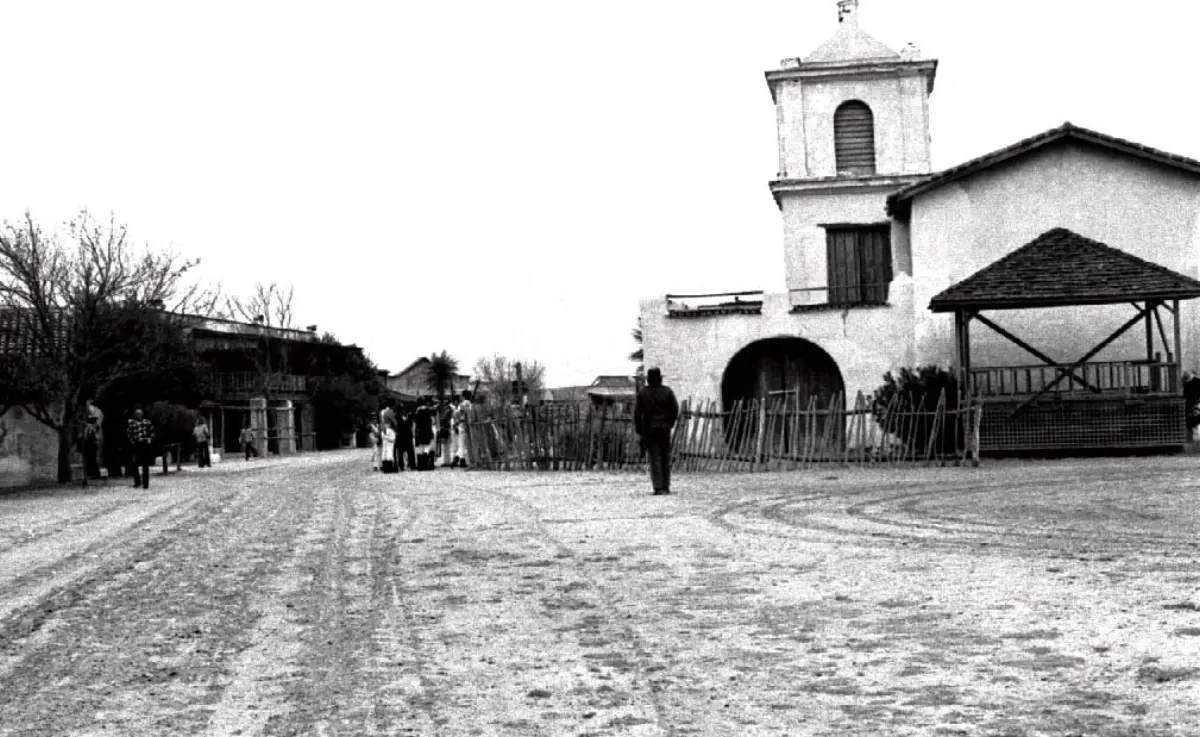
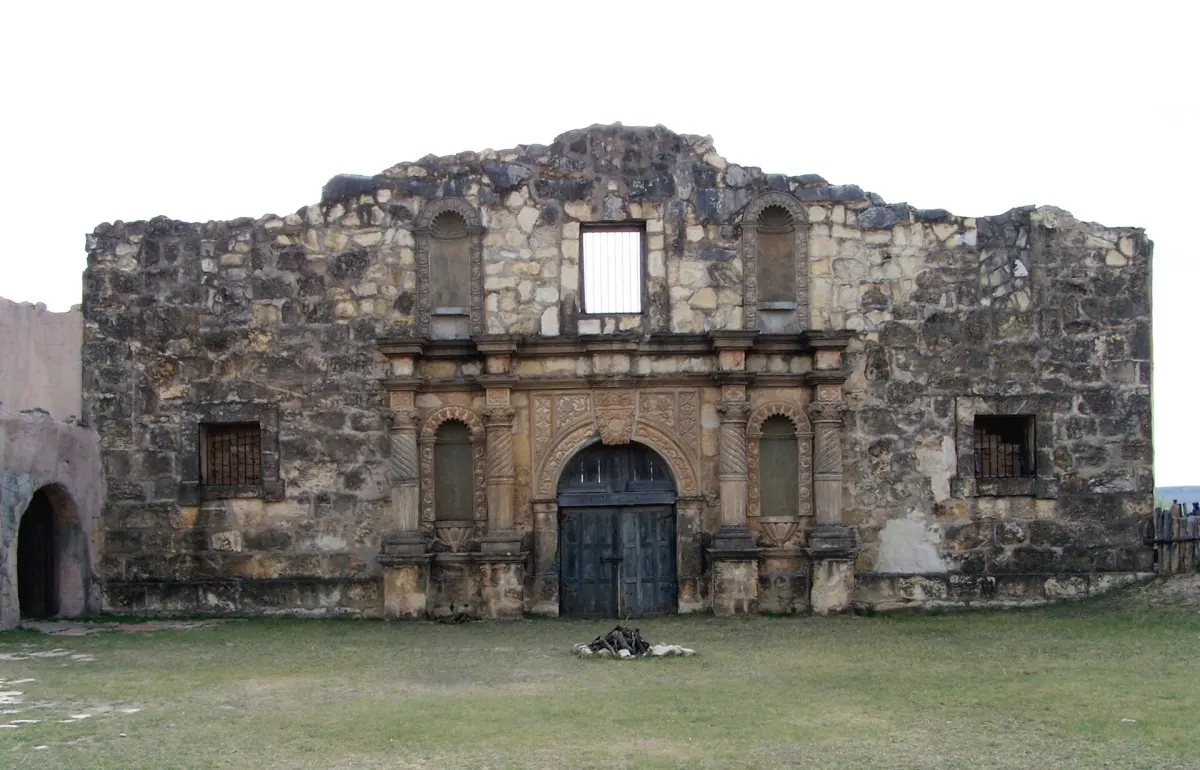
The permanent 1836 San Antonio and Alamo replica built near Brackettville for John Wayne's The Alamo. For half a century it was Texas's main standing Western set, used by Bandolero!, Lonesome Dove and Alamo films, until it closed in 2010.

Brackettville (Kinney County) · Closure: closed permanently in August 2010 after the owner's widow died in 2009

The story

Brackettville's economy had been sinking since the Army deactivated Fort Clark in 1946. In 1950 the town elected rancher James Tullis 'Happy' Shahan mayor, and he set out to bring Hollywood to Kinney County. In 1951 he persuaded Paramount to film Arrowhead in Brackettville. The Last Command and Five Bold Women followed. Then John Wayne's company, Batjac, chose Shahan's ranch for The Alamo.

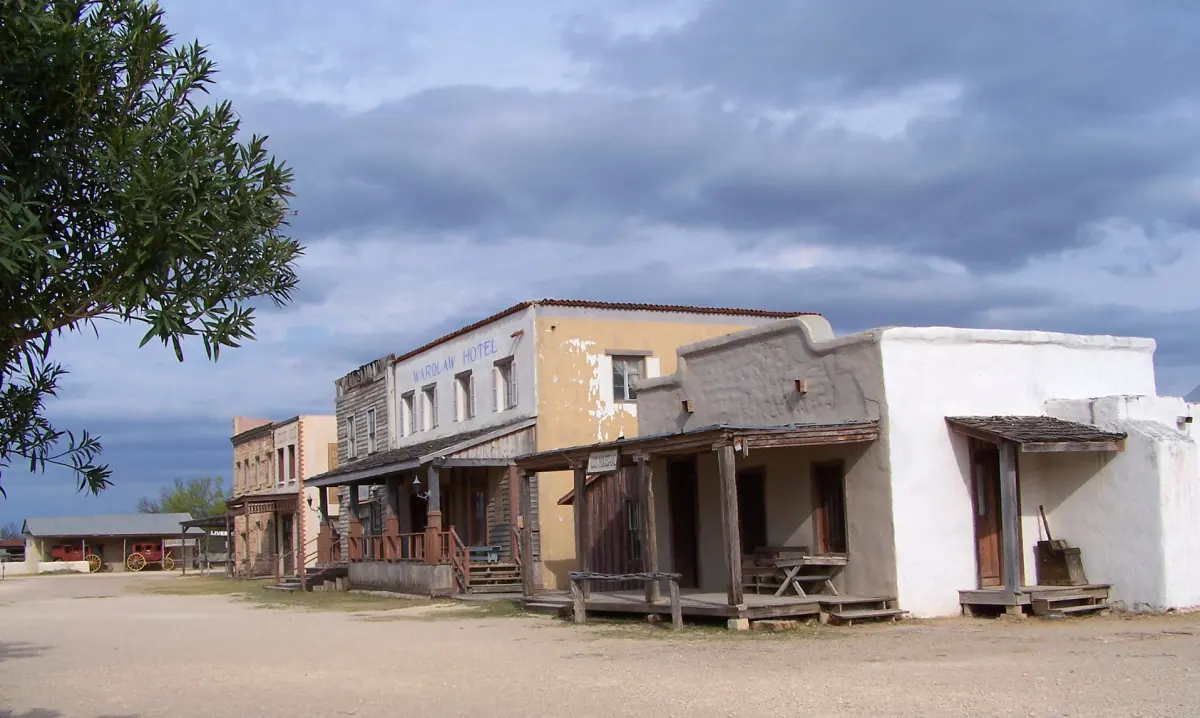
From December 1957 until filming began in September 1959, Batjac's preproduction crew ran a $12 million building program, with as many as 400 workers on site at once. The plan had two parts: a facsimile of the Alamo in 1836 and the surrounding pueblo of San Antonio de Béxar. Artisans from Mexico made adobe bricks by hand, and more than a million of them went into 200,000 square feet of permanent buildings. Art director Alfred Ybarra based the Alamo on research that included plans the mission's Catholic builders had sent to Spain. Nothing was a false front. Wiring ran through more than ten miles of underground casing, and the crew built fourteen miles of road, a 4,000-foot airstrip and six water wells.

After The Alamo, Shahan took over the set and opened it to the public as Alamo Village, with a cantina, trading post, church, jail, blacksmith shop and museums. It also kept working as a backlot. Productions that needed an Alamo used it, including Viva Max (1969), The Alamo: Thirteen Days to Glory (1987) and Alamo: The Price of Freedom (1988). So did Westerns, among them Bandolero! (1968), Barbarosa (1982), Lonesome Dove (1989) and Streets of Laredo (1995). Texas Film Commission records list more than 30 productions shot in Brackettville, from John Ford's Two Rode Together to the miniseries Centennial and the 1994 feature Bad Girls. Documentaries, music videos, commercials and television shows filmed there too. In summer, Alamo Village hired country singers, staged melodramas and shootouts, and ended the season with Labor Day horse races.

Happy Shahan died in 1996. His wife Virginia ran the village until her death in 2009, and the family then closed it. In August 2010, Alamo Village closed permanently.
Productions

11 titles
YearTitleKind
1960The Alamofeature film (John Wayne; the set was built for it) ↗︎
1968Bandolero!feature film ↗︎
1969Viva Maxfeature film (used the Alamo replica) ↗︎
1982Barbarosafeature film ↗︎
1987The Alamo: Thirteen Days to GloryTV movie (used the Alamo replica) ↗︎
1988Alamo: The Price of FreedomIMAX feature (used the Alamo replica) ↗︎
1989Lonesome DoveTV miniseries ↗︎
1995Streets of LaredoTV miniseries ↗︎
1961Two Rode Togetherfeature film (John Ford Productions; shot in Brackettville) ↗︎
1978CentennialTV miniseries (shot in Brackettville) ↗︎
1994Bad Girlsfeature film (shot in Brackettville) ↗︎

People

NameRoleYears
James Tullis (Happy) Shahanrancher and Brackettville mayor who developed the idea and owned the set1950-1996 ↗︎
Virginia ShahanHappy Shahan's wife; ran the village after his death1996-2009 ↗︎
Alfred Ybarraart director of the Alamo replica for Batjac1957-1959 ↗︎

Offices

CityWhereYears
BrackettvilleShahan Angus Ranch, six miles north of Brackettville, Kinney County1957-2010 ↗︎

By the numbers

Batjac's preproduction crew ran a $12 million building program from December 1957 to September 1959, with up to 400 workers at a time. ↗︎
More than a million adobe bricks went into 200,000 square feet of permanent buildings, with more than ten miles of buried utility casing, fourteen miles of road, a 4,000-foot airstrip and six water wells. ↗︎
Shahan's courting of studios began in 1951 with Paramount's Arrowhead, part of an effort to revive Brackettville's economy after the Army closed Fort Clark in 1946. ↗︎

What it gave Texas

There were no false-front streets; art director Alfred Ybarra based the Alamo replica on mission plans sent to Spain by its Catholic builders. ↗︎
It operated as a tourist attraction for almost fifty years, with summer music, Western melodramas, staged shootouts and Labor Day horse races. ↗︎
The Texas Film Commission lists more than 30 productions shot in Brackettville from Arrowhead (1952) through the 2000s. ↗︎
How it ended
Happy Shahan died in 1996 and his wife Virginia ran the village until her death in 2009; the family closed it, and it shut permanently in August 2010.
What came after
The set still stands on the Shahan ranch but has been closed to the public since 2010.

Photos

Alamo Village
Alamo Village
Alamo Village
Alamo Village
Sources
  1. Alamo Village Handbook of Texas Online, Texas State Historical Association
  2. 'Alamo' movie set closes after owner's death ABC13 Houston (KTRK) 2009
  3. Film and Television Projects Made in Texas (1910-2025) Texas Film Commission, Office of the Governor 2025
Image credits (3)

Alamo Village: Larry D. Moore, CC BY 4.0, Wikimedia Commons; Alamo Village: Larry D. Moore, CC BY 4.0, Wikimedia Commons; Alamo Village: Jack Keene from Oak Cliff, Texas, USA, CC BY 2.0, Wikimedia Commons.

Correct this page