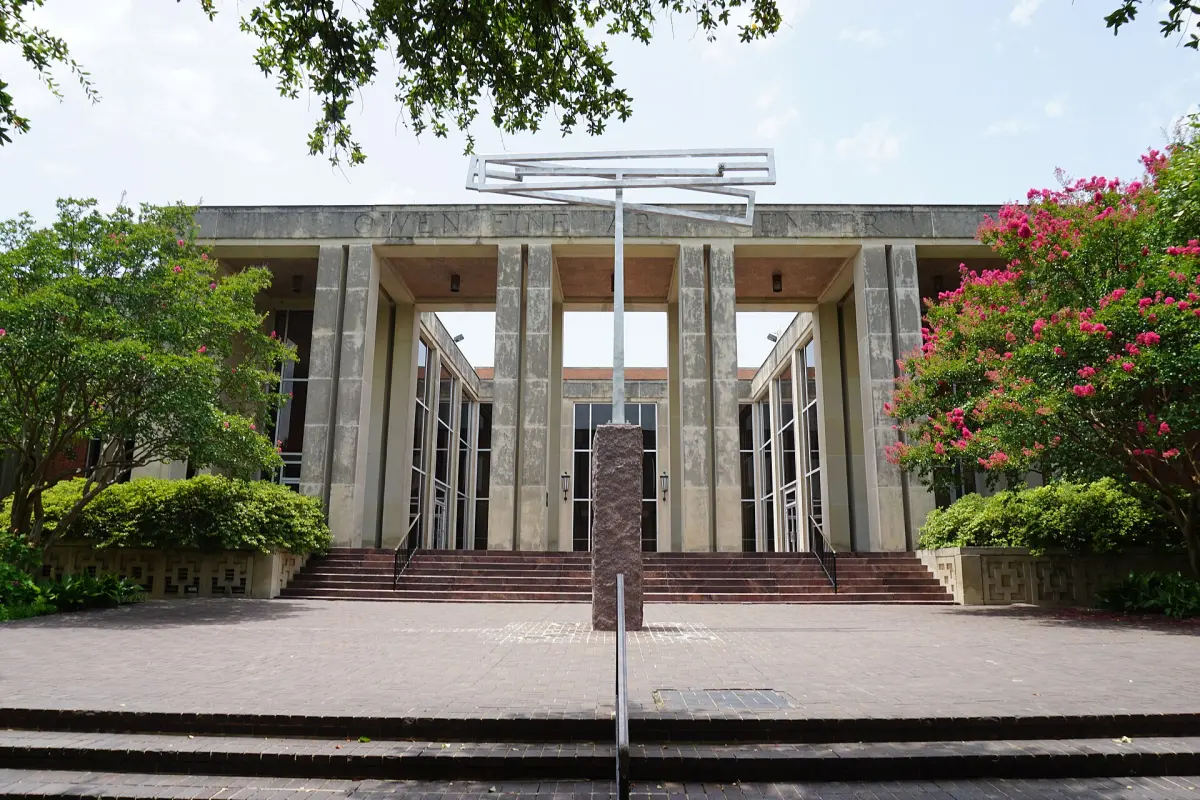
Southern Methodist University's film archive began in 1970 as the Southwest Film/Video Archives, founded by G. William Jones, a scholar and teacher of cinema and religious studies. Jones also co-founded the USA Film Festival with L. M. Kit Carson. It grew out of the 1970 Screen Generation Film Festival, officially began in 1971, and was held on the SMU campus as a fundraiser for the archive; the festival says proceeds from its first edition established the SMU Film Archives. The collection still holds audio recordings from the festival's first ten years.
The archive's best-known work began in the summer of 1983, when the last surviving 35mm prints of more than 100 films made between the 1920s and the early 1950s turned up in a warehouse in Tyler, Texas. SMU describes them as "race films" with mostly African American casts, created largely for segregated theaters. Most of the nitrate prints were decomposing, but several were restored, and the find became known as the Tyler, Texas, Black Film Collection. Jones wrote in the Handbook of Texas that, of its twenty-two titles, fifteen had a Black producer, director or screenwriter. The archive's race films were transferred to safety film in 1985 and have since been digitally restored and put online.
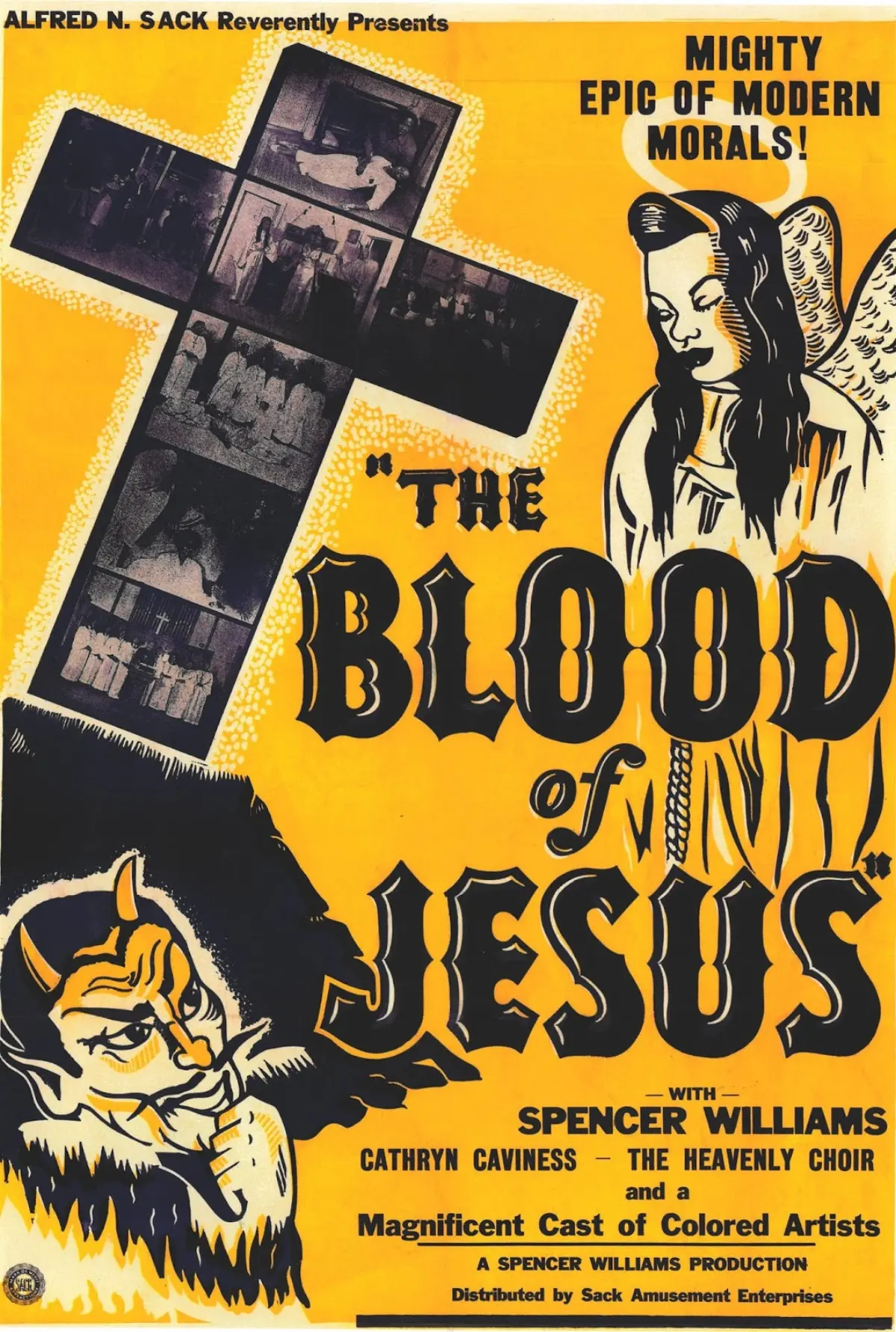
The find mattered most for Dallas film history. Between 1941 and 1947, Dallas distributor Alfred Sack and Black writer, actor and director Spencer Williams made ten films in and around Dallas, including The Blood of Jesus, Go Down, Death!, Juke Joint and Dirty Gertie from Harlem, U.S.A. The Handbook credits the Southwest Film-Video Archives with finding and restoring most of them. The Blood of Jesus was named to the National Film Registry in 1991. SMU's Tyler holdings also include Oscar Micheaux's Murder in Harlem and Powell Lindsay's Souls of Sin.
The archive took Jones's name in 1995 and is part of the Hamon Arts Library. Its other holdings include about 1,700 35mm prints, among them Alfred Hitchcock's first feature, The Pleasure Garden; the Sulphur Springs collection of films from 1898 to 1906; WFAA news film from 1960 to 1977 and KERA material; Dallas VideoFest recordings; and collections from Texas filmmakers such as Benji director Joe Camp and Larry Buchanan.